
The most popular and comprehensive Open Source ECM platform
Let us know more


SOA has met with success and acceptance because of its ability to meld together so many disparate systems, uniting data by tunneling between isolated information silos. But Web 2.0’s mashup combinations using technologies like RSS, REST and AJAX is achieving the same kind of effect as the more rigorous, typically SOAP-based, SOA. And the speed with which a Web 2.0 mashup can be whipped up outpaces what could be done in an SOA framework.
But a big difference between the two approaches is in the reliability. True SOA is based on Service Level Agreements (SLAs) and Web 2.0 simply is not. The audience of the two applications are different. Web 2.0 is winning over fans in the consumer world and SOA calls the enterprise its home.
While maybe not an example of a Web 2.0 mashup, one comment from a MySpace user that captures the sentiment of what’s happening in the Web consumer space is that MySpace “provides so much of a benefit to people that errors and glitches we find are forgivable”. Another user added, “and it’s free!”. But unpredictable reliability isn’t acceptable in the enterprise. And maybe when the novelty of Web 2.0 applications wears off, people’s feelings in the consumer world will change too.
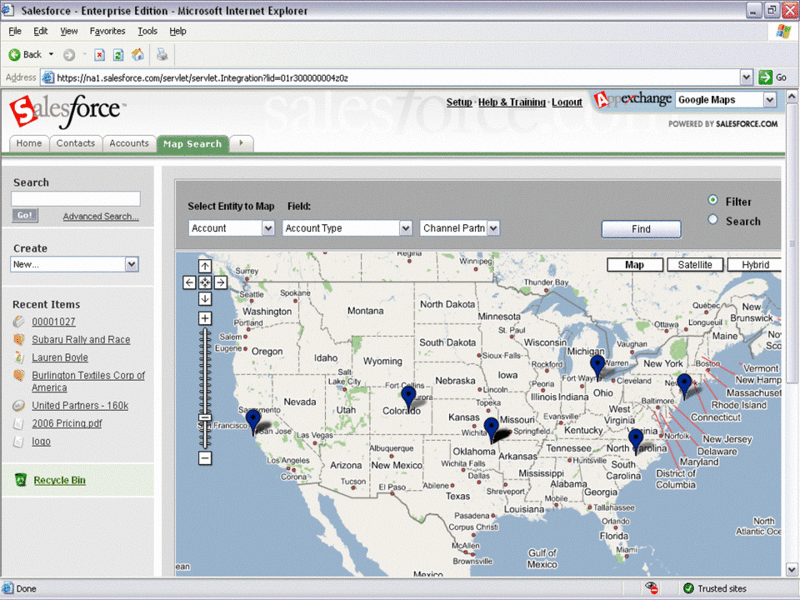
But as people in consumer space see the benefits of Web 2.0, they now are expecting the same things in the enterprise. The move of Web 2.0 capabilities into the enterprise is leading to the distinction of Consumer Web 2.0 and Enterprise Web 2.0. Yahoo! and Google maps won early and wide acceptance by consumers, and those services are also starting to show up frequently in business software demonstrations, like IBM’s QEDWiki and Salesforce.com.
 |
 |
Criteria for an Enterprise Web 2.0 application includes:
Most companies are a long way from deploying Enterprise 2.0. But it’s coming. And it’s happening across all industries, and applications can range from telecom to legal to finance to whatever.


