
The most popular and comprehensive Open Source ECM platform
Let us know more


When you think of scientists you might have the image of people wearing white lab coats and working in isolation for long nights alone in their laboratories. But it turns out that that stereotype is not the case. In fact, scientists are turning more and more towards using social media tools to help them collaborate with others in their field as they do their research.
A new paper funded by the Science Foundation in Ireland finds that social media collaboration tools like blogs, YouTube, Facebook and Twitter are becoming very commonly used to communicate scientific research.
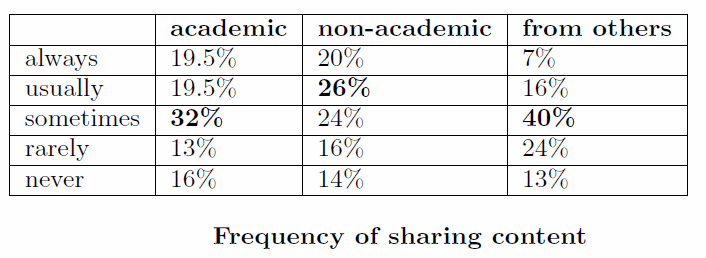
The paper examined how frequently research scientists use the web to share they data. As you might expect, academic researchers are much more open to sharing information, but a large percentage of both academic and non-academic scientists are using the internet and social tools for sharing results and information from their research.
 The paper in particular examines Twitter use within the scientific community. The paper finds that the use of Twitter postings against conference-specific hashtags is very common, and often the total number of tweets relevant to the conference is four to five times the number of participants. The paper then identifies two important types of Twitter-using attendees at the conference: hubs and authorities.
The Hub user sends out many tweets where specific Twitter users are referenced. The Authority is a user who frequently receives or is mentioned in the content of the tweet. Conference organizers generally rate high on the hub and authority scales. Conference speakers usually rate highly as twitter authorities. The paper noted that the signature of the conference twitter activity closely mirrors the reality of the way the conferences are structured.


